Styles-Spinet-Pianos Lineart
A Thoughtful Embroidery Designer’s Review for Small Business Merchandise
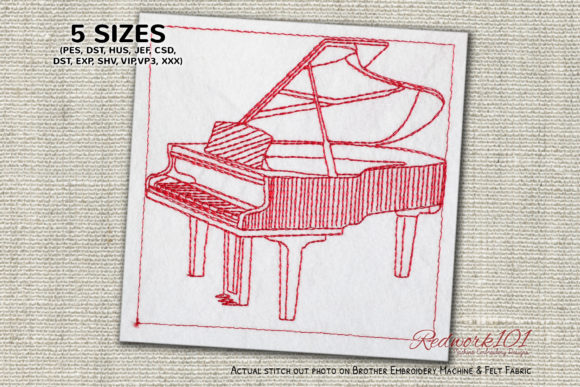
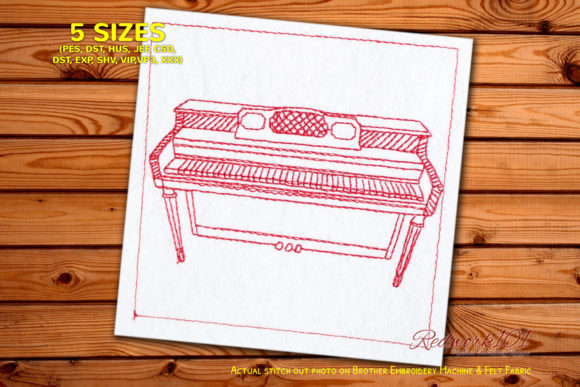
As an embroidery designer who’s developed hundreds of machine embroidery designs for small businesses—from indie bakeries and florists to creative studios and pet brands—I approached Styles-Spinet-Pianos Lineart with both curiosity and practical scrutiny. The name alone evokes a refined, historically grounded musical sensibility—“spinet” signals craftsmanship, quiet elegance, and intentional detail. This isn’t a cartoon piano or a playful emoji-style icon. It’s a lineart interpretation of a smaller harpsichord variant: single keyboard, one string per note, clean structural lines. That tells me immediately this design leans into classic, handmade, and thoughtfully curated—not loud, not trendy, but quietly confident.
How Styles-Spinet-Pianos Lineart Builds Brand Identity
For a small business, every embroidered element is a silent ambassador. A café named “Aria Roast” could use Styles-Spinet-Pianos Lineart as a subtle chest patch on barista aprons—suggesting harmony, rhythm, and care in craft. A boutique music studio might embroider it onto tote bags or staff caps, reinforcing authenticity without shouting. Because it’s lineart—not filled, not shaded—it reads as precise yet approachable. It doesn’t compete with bold typography or busy patterns; instead, it supports visual consistency across custom apparel, product packaging accents, and even printable mockups for client presentations.
This design strengthens customer trust by signaling attention to detail. When customers see a clean, well-proportioned embroidered patch of Styles-Spinet-Pianos Lineart on a handmade product label or a limited-run tote bag, they subconsciously register intentionality—something that elevates perceived value far beyond the stitch count.
Real-World Performance Across Merchandise Types
Styles-Spinet-Pianos Lineart shines where subtlety and sophistication matter most:
- Embroidered patches: Ideal for iron-on or sew-on application on jackets, backpacks, or shop signage—especially when paired with a minimalist border or optional box stitch (as noted in the description).
- Apron embroidery: Works beautifully centered above a pocket or subtly on a sleeve cuff. Its linear nature avoids bulk while maintaining clarity at medium scale.
- Cap embroidery: Best placed on the front panel or side gusset—not the curved bill—where line integrity stays intact. Avoid scaling below 2.5 inches wide unless you’ve tested thread density and legibility.
- Tote bag design: Strong as a singular focal point on natural canvas or linen. The lineart translates well to textured fabric when stabilizer is properly selected.
- Staff uniforms & work shirts: Adds distinction without formality—perfect for creative studios, instrument repair shops, or even piano lesson studios wanting branded cohesion.
It also functions well as a product add-on: stitched onto cloth-bound notebooks, gift tags, or fabric-wrapped packaging for handmade goods—reinforcing brand identity without overwhelming the item.
Where to Use Styles-Spinet-Pianos Lineart With Care
Even elegant lineart has limits—and knowing them prevents costly rework. Here’s where caution is essential:
- Small patch sizes: Below 1.75 inches wide, fine interior lines may collapse or disappear. Always test at your target size before bulk production.
- Curved surfaces: Cap fronts and rounded tote handles distort thin lines. Adjust tension and digitizing path spacing—or opt for a simplified version if available.
- Textured fabric: Heavy weaves like burlap or looped terry require extra stabilizer and possibly slight line thickening to prevent “swallowing” of detail.
- Dark uniforms: Since this is lineart, contrast depends entirely on thread color choice. Test black thread on navy twill and ecru thread on charcoal—don’t assume visibility.
- Frequent washing: High stitch density isn’t indicated here (it’s lineart), but tight corners and overlapping outlines can snag. Confirm thread path flow before approving for high-use items like aprons or staff tees.
Practical Embroidery Designer Notes for Commercial Use
Before committing Styles-Spinet-Pianos Lineart to your next batch of small business merch, follow these field-tested steps:
- Test it in black and white first—no color assumptions. Does the silhouette hold? Are intersections clean?
- Check how it scales down to your smallest intended use—e.g., 1.5-inch cap front or 2-inch woven label.
- Review thread color contrast against your base fabric. Lineart lives or dies by contrast.
- Inspect spacing between parallel lines—tight gaps may merge during stitching, especially on low-tension machines.
- Confirm hoop size compatibility. If the design spans more than 4 inches wide, verify your frames and machine limits.
- Test on real fabric, not just stabilizer sheets. Fabric pull and drape change everything.
- Use the right stabilizer: cutaway for knits, tear-away for stable wovens, and fusible + tear-away combo for lightweight linens.
- Create a printable mockup for client approval—show it on actual garment photos, not just white backgrounds.
- Compare Styles-Spinet-Pianos Lineart beside your other design assets: does it share weight, proportion, and tone with your logo or typography?
- Verify commercial licensing before using it on merchandise for sale. Since the description notes “The Box Stitch shown in the picture is optional. The color of the outer box is a differ,” confirm what’s included in your purchase—and whether modifications (like removing the box) are permitted.
Final Thoughts for Small Business Owners & Embroidery Shops
Styles-Spinet-Pianos Lineart isn’t flashy—but that’s its strength. In a market saturated with overdesigned logos and generic icons, this embroidery file offers quiet authority. It suits businesses rooted in craft, music, education, or artisanal service—those who want their small business merch to feel intentional, not incidental. Whether used as an embroidered patch on a florist’s denim jacket or a delicate accent on a bakery’s linen napkin wrap, it adds narrative depth without demanding attention.
For embroidery shops and apparel decorators: this is a versatile, low-risk digital embroidery file that pairs well with monochrome palettes, natural textiles, and thoughtful branding strategies. Just remember—lineart rewards precision. Take the time to test, refine, and align it with your client’s voice. Done right, Styles-Spinet-Pianos Lineart won’t just decorate an item. It’ll deepen the story behind it.