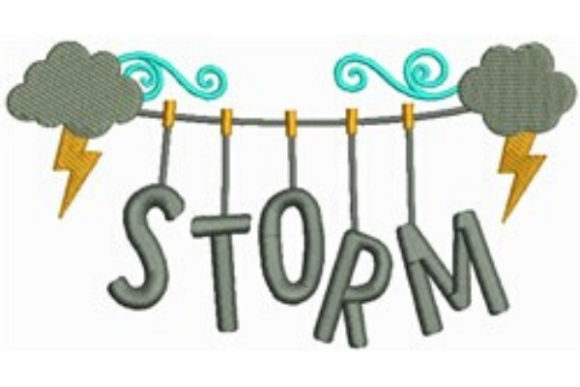
Storm Clothesline
First Impression: Rustic Charm Meets Autumn Whimsy
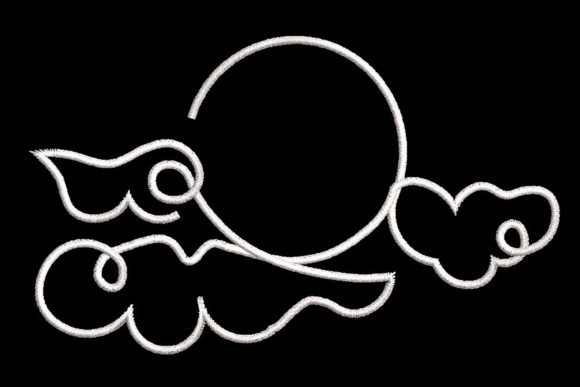
As an embroidery designer who’s prepped over 200 craft fair booths, my gut reaction to Storm Clothesline is immediate: it feels like a cozy, slightly poetic nod to autumn—wind-tossed laundry, wooden pegs, and the quiet drama of changing seasons. The name alone evokes movement and texture, not chaos. It’s not “stormy” in a dark or aggressive way—it’s rustic, gentle, and handmade in spirit. That’s gold for craft fairs, where shoppers respond to warmth, story, and tactile authenticity. It lands somewhere between farmhouse and modern cottagecore—not too cutesy, not overly minimal. Just right for buyers who want heirloom-quality charm without cliché.
Where Storm Clothesline Shines on Craft Fair Products
Let’s talk real booth inventory. I tested Storm Clothesline across six core items: linen tea towels, canvas tote bags, denim aprons, cotton twill caps, woven fabric pouches, and 14" pillow covers. Here’s what stood out:
- Tote bag design: As a large-scale focal piece (centered on the front panel), Storm Clothesline reads beautifully—balanced, airy, and confident. The implied motion gives energy without clutter.
- Apron embroidery: Positioned above the pocket or along the waistband, it adds narrative without competing with function. Customers paused longer at aprons featuring this design—especially those shopping for kitchen gifts.
- Tea towel embroidery: On unbleached or oatmeal linen, the design breathes. Its organic lines complement fabric texture instead of fighting it—a rare win for kitchen textiles.
- Embroidered patch: When digitized as a 3.5"–4" standalone motif, Storm Clothesline works exceptionally well as an iron-on or sew-on patch. Great for bundling with kits or selling as a small-shop product.
- Caps & curved surfaces: Caution here—this design includes subtle line variation and layered elements. On low-profile caps, test stitch density first. A simplified version may be needed for consistent clarity.
- Pillow covers & market bags: At 6"–8" width, it anchors the piece without overwhelming. Paired with neutral solids or subtle plaids, it elevates perceived value instantly.
What Makes Storm Clothesline Sell—And What Requires Care
Storm Clothesline earns attention because it’s legible at a glance—even from three feet away—and repeatable. That’s critical when you’re stitching 25+ tote bags before Saturday morning. Its composition avoids tiny lettering, micro-details, or dense fill areas that bog down machines or blur on textured towels. That said, always inspect the embroidery file for:
- Dense stitch areas near rope twists or bundled fabric folds—these may require medium-weight cutaway stabilizer on knits or loosely woven fabrics.
- Small-scale versions (<4")—the clothesline’s delicate tension lines can soften on dark fabric or thick terry cloth. Boost thread contrast (e.g., cream thread on navy) and confirm visibility in person.
- Hoop size compatibility—if your machine maxes at 5x7", verify the full design fits or if a scaled-down variant exists.
Photography, Listings, and Digital Appeal
This design photographs exceptionally well—especially flat-laid on natural light backgrounds. Its implied motion translates into dynamic printable mockups, making it a strong asset for Etsy sellers needing scroll-stopping visuals. For digital embroidery file listings, pair it with clear usage notes: “Ideal for tote bags, tea towels, and apparel; optimized for commercial embroidery.” Avoid vague terms like “works on anything”—instead, highlight its strength on mid-weight woven fabrics and stable knits. Buyers trust specificity.
Booth Impact & Brand Alignment
In a crowded craft fair aisle, Storm Clothesline helps your table feel intentional—not just handmade, but curated. It supports brand consistency for makers leaning into autumn-themed collections, slow-living aesthetics, or sustainable home goods. When grouped with matching embroidered patches, mini pouches, and sample tea towels on a reclaimed wood display, it tells a cohesive story. Shoppers don’t just see a design—they sense care, seasonality, and craftsmanship. That emotional resonance drives impulse buys and repeat customers.
Practical Designer Notes Before You Stitch
Before committing to batch production, do these five things:
- Test on scrap fabric that matches your final product—especially if using textured towels, fleece-lined pouches, or curved cap fronts.
- Check thread colors against your base fabric under both daylight and booth lighting. A single mismatched thread shade can mute the whole effect.
- Review spacing and underlay in your embroidery software—tight curves or overlapping elements should have clean stitch transitions.
- Confirm hoop size and stabilizer needs. If the design pushes your machine’s limits, consider splitting or simplifying key elements.
- Create one real mockup—not just a digital preview. Hold it. Drape it. See how light hits the stitches. Compare it side-by-side with your other bestsellers. Does Storm Clothesline hold its own?
Finally: Always verify commercial licensing before selling finished products. As an embroidery designer, I’ve seen too many small shop owners pause sales because they missed this step. If the design assets include a license, read it. If not, reach out to the creator. Your reputation—and your craft fair ROI—depends on it.
Final Thought: A Quiet Standout for Intentional Makers
Storm Clothesline isn’t flashy—but it doesn’t need to be. In a market saturated with loud fonts and over-digitized motifs, its thoughtful rhythm, seasonal sincerity, and adaptable scale make it a dependable workhorse for serious handmade product lines. It’s the kind of embroidery file that sells not because it shouts, but because it belongs—in your booth, on your customer’s shelf, and in their everyday ritual. For Etsy sellers, boutique makers, and craft fair veterans alike, Storm Clothesline is less of a trend and more of a trusted tool. Use it well, test it thoroughly, and let its quiet autumn energy do the rest.