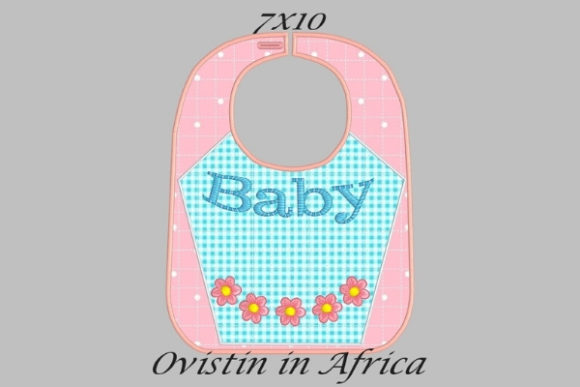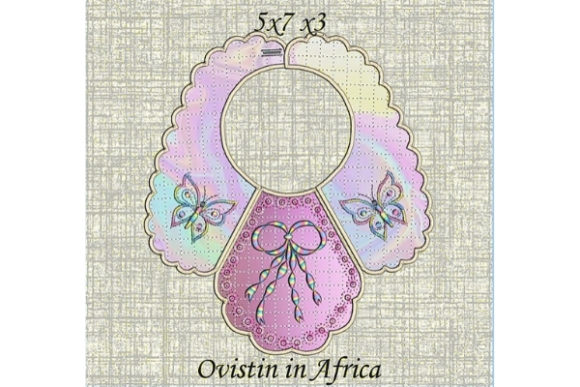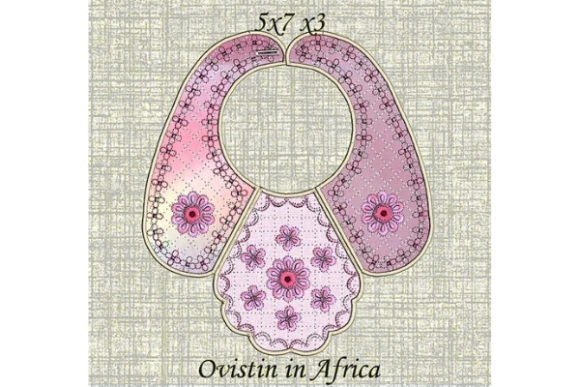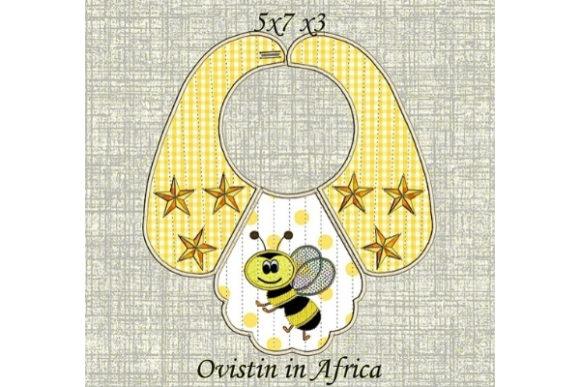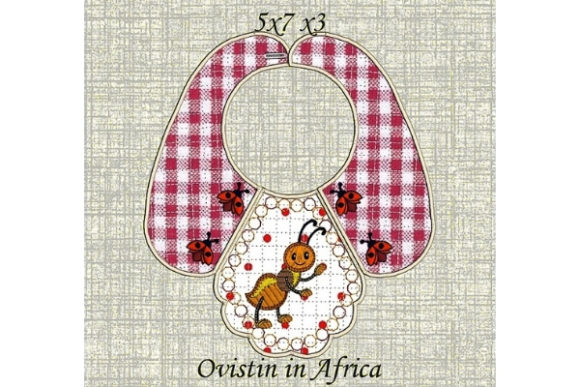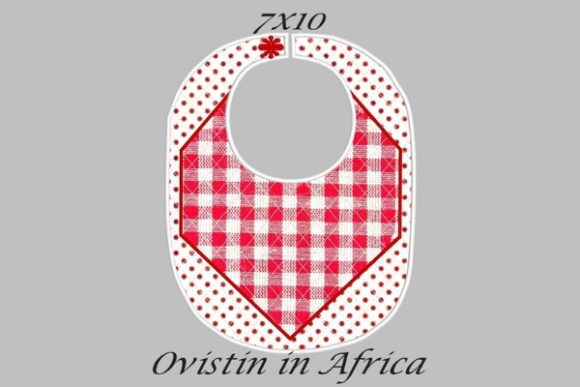
Red Gingham Adorable Baby Bib Small
First Impressions: Sweet, Timeless, and Thoughtfully Designed
As an embroidery designer who’s tested hundreds of baby-themed machine embroidery designs for gift shops and Etsy sellers, the Red Gingham Adorable Baby Bib Small immediately stands out—not for flashiness, but for quiet intention. It reads as sweet without slipping into cutesy overload, classic without feeling dated, and handmade without sacrificing polish. The double applique construction suggests care in layering, and the mention of a batting inlay and towel backing tells me this isn’t just decorative—it’s engineered for function. That balance is gold for personalized gift makers: it signals quality before the first stitch is even sewn.
Where This Design Shines Across Your Product Line
The Red Gingham Adorable Baby Bib Small isn’t limited to bibs—even though it’s named and sized for newborns to six-month-olds. Its scale, motif, and clean red-and-white gingham rhythm translate beautifully across multiple personalized gift categories:
- Baby embroidery: Perfect on onesies, burp cloths, or matching sibling sets—especially when paired with monogrammed initials or birth details.
- Wedding gifts: Stitch it onto linen napkins, cotton tea towels, or a keepsake quilt square for the new parents’ registry. It whispers “thoughtful” rather than “trendy.”
- Nursery decor: Scale up slightly (with digitizer approval) for framed wall art or pillow covers—ideal for gender-neutral or vintage-inspired nurseries.
- Small shop products: Works seamlessly on custom totes, aprons, or embroidered blankets—adding charm without overwhelming the item’s utility.
- Etsy seller appeal: Customers searching for “red gingham baby gift” or “personalized nursery embroidery” will connect instantly with its visual clarity and emotional warmth.
Where to Use It With Intention—Not Assumption
This design thrives on stable, medium-weight fabrics—but it demands thoughtful placement. Avoid using the Red Gingham Adorable Baby Bib Small on:
- Stretchy baby clothes (like knits) without proper cut-away stabilizer and reduced tension—applique edges may pucker.
- Thick terry cloth towels unless you adjust stitch density and use heavy-duty topping—otherwise, the gingham lines can blur.
- Curved surfaces (e.g., rounded tote handles or contoured pillow forms) where registration and fabric shifting risk misalignment.
- Dark fabric without testing thread color contrast—red thread on navy or charcoal may mute the gingham’s vibrancy; consider switching to burgundy or rust for depth.
- Products requiring frequent hot washes unless you confirm thread and stabilizer compatibility—batting inlays and towel backings add bulk that affects durability over time.
Why It Elevates Giftability—and Builds Customer Trust
When customers browse your shop—whether online or at a craft fair—the Red Gingham Adorable Baby Bib Small quietly communicates several key things: attention to detail, understanding of baby needs (dryness + comfort), and respect for heirloom potential. That perception lifts perceived value, especially when paired with customization like a baby’s name or birth date. Photographed well—on soft muslin, with natural light and a sprig of dried lavender—it invites emotional connection. Buyers don’t just see a bib; they see a memory-in-the-making. For Etsy sellers and small business owners, that resonance drives engagement, repeat orders, and organic word-of-mouth.
Practical Embroidery Notes Every Maker Should Confirm
Before stitching your first customer order, treat the Red Gingham Adorable Baby Bib Small like any high-stakes digital embroidery file:
- Test on scrap fabric—match the exact weight and weave of your final product (e.g., cotton poplin for bibs, terry for towels).
- Check thread color contrast across both light and dark fabric mockups. Red gingham reads differently on ivory versus black.
- Confirm hoop size compatibility. Double applique often requires precise hooping—verify your machine’s minimum hoop clearance matches the design’s footprint.
- Review stitch density. High-density areas (like inner gingham seams) may need reduced speed or topping on napped fabrics.
- Use appropriate stabilizer: cut-away for stretchy items, tear-away for stable cottons, and water-soluble topping for towel backing to prevent thread sinking.
- Compare light/dark fabric mockups side-by-side—not just on screen, but stitched—to assess visibility and balance.
- Inspect small details post-stitch: ensure applique edges are fully secured and batting doesn’t shift during trimming.
- Verify commercial licensing before selling finished products. Since this is intended for nursery and embroidery use, confirm rights cover resale of physical items—not just digital files.
A Final Thought for Handmade Sellers
The Red Gingham Adorable Baby Bib Small works because it feels intentional—not algorithmically generated, but designed by someone who’s held a fussy newborn at 3 a.m. and knows what “adorable” really means: soft edges, functional layers, and a little nostalgic joy. For wedding gift designers, baby product creators, and Etsy sellers building a brand around heartfelt craftsmanship, this design isn’t just another file—it’s a quiet promise. A promise of care, clarity, and the kind of handmade quality that turns a simple bib into a treasured keepsake. Test it carefully, stitch it thoughtfully, and let its charm speak for itself.