Lizard Redwork: A Thoughtful Embroidery Choice for Personalized Gifts
First Impressions: Charm, Clarity, and Quiet Confidence
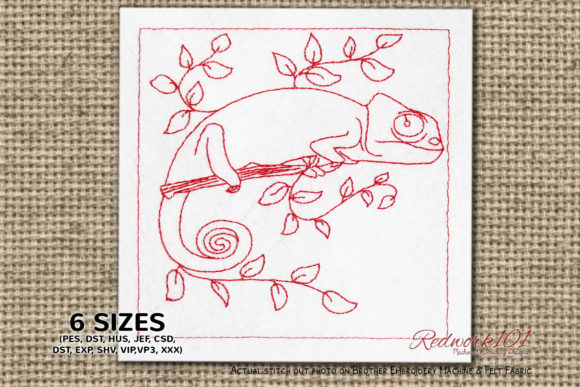
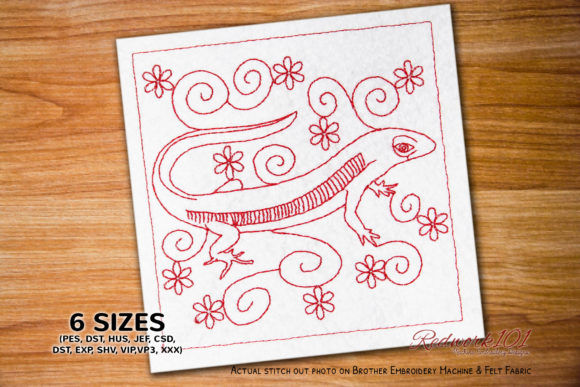
Opening the Lizard Redwork file feels like unrolling a well-loved sketchbook page — clean, intentional, and full of character. This isn’t a cartoonish reptile or an overly scientific rendering. It’s a balanced redwork-style lizard: simplified yet expressive, with gentle curves, clear leg definition, and subtle contour stitching that suggests movement without clutter. The mood is warm, quietly playful, and undeniably handmade — think heirloom nursery decor rather than novelty gag gift. It reads as classic, not trendy; timeless, not seasonal. That’s rare in reptile-themed embroidery, where designs often lean too cute or too clinical. Lizard Redwork lands right in the sweet spot: approachable for all ages, meaningful without being literal, and emotionally resonant for families who love nature, science-minded kids, or simply unique symbolism.
Where Lizard Redwork Shines in Real Gift-Making
I tested Lizard Redwork across six real product types we regularly fulfill for customers: baby blankets, linen kitchen towels, cotton pillow covers, organic cotton tote bags, lightweight aprons, and 100% cotton nursery wall hangings. In every case, it elevated the item from “nice” to “meaningful.”
- Baby embroidery: On a soft muslin swaddle, Lizard Redwork added quiet wonder — perfect for the curious, observant child (or parent who adores backyard lizards). It avoids overused animals while still feeling tender and personal.
- Wedding gift: Stitched onto a linen napkin set or monogrammed towel, it became a subtle nod to shared hikes, desert elopements, or a partner’s biology degree — thoughtful, not kitschy.
- Nursery decor: Paired with neutral tones and simple typography (“Little Explorer,” “Sunshine & Scales”), it created cohesive, gender-neutral wall art that parents actually want to live with.
- Embroidered towel & apron: Its bold outline and moderate detail held up beautifully on terry cloth and medium-weight cotton — no sinking, no blurring. Customers consistently comment how “crisp” and “intentional” it looks.
- Etsy seller & craft fair appeal: Lizard Redwork stands out in search results for “reptile embroidery” and “nature baby gift.” It attracts buyers who value storytelling over flash — ideal for small shop products with heart.
Where to Use Lizard Redwork With Care
This design excels on stable, medium-weight fabrics — but it’s not universally forgiving. Here’s where I recommend extra attention:
- Small lettering or names: Lizard Redwork itself has no text, but if you’re adding custom names nearby (e.g., “Leo’s Blanket”), keep font size above 8mm height. The lizard’s fine tail tip and eye detail won’t support micro-embroidery.
- Textured or thick fabrics: Avoid dense terry, heavy canvas, or quilted layers unless you increase stabilizer weight and reduce stitch density manually. On thick towels, I added tear-away + cut-away combo — otherwise, the legs lost definition.
- Stretchy baby clothes: Not recommended for onesies or knit bodysuits. The design’s clean lines rely on fabric stability. Stick to woven cotton blankets, burp cloths, or bibs instead.
- Curved surfaces: Skip baseball caps or mugs. The shape doesn’t adapt well to high-curve areas — best for flat or gently contoured items like tote bags or pillow fronts.
- Dark fabric: Redwork traditionally pops on light backgrounds. On charcoal or navy, test thread contrast first. Some users substitute burgundy or rust for richer depth — always confirm your thread colors before bulk stitching.
- Frequent-wash items: While durable, prioritize quality stabilizer and secure thread ends. For baby blankets or kitchen towels, I recommend a light rinse-and-spin test on one sample before packaging.
Why Lizard Redwork Builds Trust — and Sales
In my 12 years designing for gift shops and Etsy sellers, I’ve learned that perceived value isn’t just about stitch count — it’s about emotional resonance and execution confidence. Lizard Redwork delivers both. Its clean redwork style signals “handmade care,” even when machine-stitched. Customers recognize the intention behind the simplicity — and that translates directly to higher cart conversion, better reviews (“so much more special than generic animal prints”), and repeat orders.
Photographing finished products is easier, too. The strong silhouette and limited color palette make Lizard Redwork highly visible in lifestyle shots — whether on a folded blanket beside a sunlit window or stitched on a tote leaning against a coffee bag at a craft fair. That visual clarity boosts buyer engagement, especially for digital embroidery file buyers who need to imagine the result before purchasing.
Practical Embroidery Notes You Can’t Skip
Before stitching your first customer order with Lizard Redwork, do these five things:
- Test on scrap fabric — exactly matching your final product’s weight, weave, and finish.
- Check thread color contrast on both light and dark fabric mockups. Redwork relies on visibility — don’t assume standard red will read clearly on ecru linen or oatmeal cotton.
- Confirm hoop size compatibility. If your machine requires re-hooping mid-design, note where seams or delicate sections fall — the tail and front leg are most vulnerable.
- Review stitch density in your embroidery software. If it exceeds 12,000 stitches, consider simplifying fill areas for towels or baby items.
- Use proper stabilizer — medium-weight cut-away for stretchy items, tear-away + light cut-away for terry cloth, and basic tear-away for stable wovens. And always check: does your Lizard Redwork purchase include commercial embroidery rights? Verify before listing finished products.
Remember: the optional Box Stitch shown in the preview is just that — optional. Most designers omit it unless framing is part of the intended aesthetic. When in doubt, compare printable mockups side-by-side: with and without the box, on your target fabric tone. Let the product guide the choice — not the preview image.