Chameleon Redwork
First Impression: Bold, Playful, and Uniquely Handmade
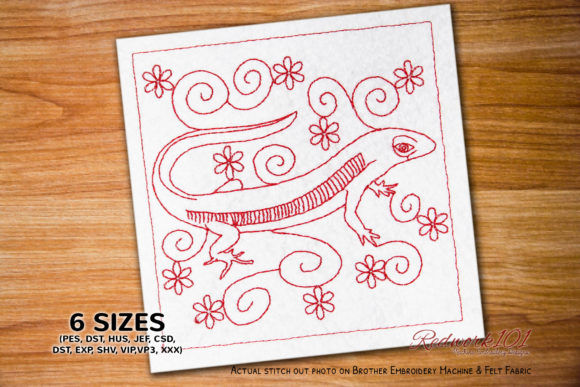
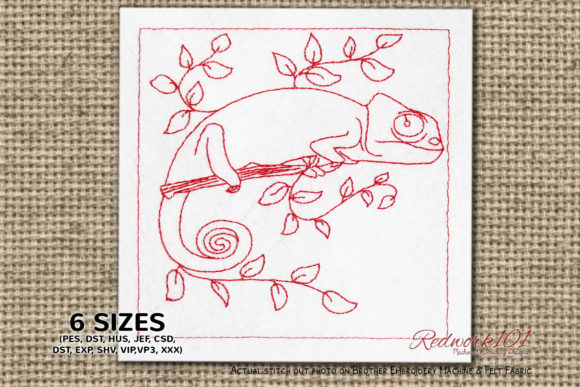
Chameleon Redwork lands with confident charm — not overly cute, not aggressively edgy, but quietly distinctive. The name alone signals craft-savvy appeal: “Redwork” nods to tradition, while “Chameleon” adds wit and visual intrigue. It feels modern-farmhouse meets boutique reptile lover — the kind of design that makes shoppers pause mid-aisle at a craft fair booth. It’s not generic animal embroidery; it’s intentional, character-driven, and carries subtle storytelling weight. That matters when customers are scanning dozens of handmade products in under ten seconds.
Where Chameleon Redwork Shines on Craft Fair Products
On a well-curated table display, Chameleon Redwork stands out strongest on items where personality and clarity matter most. A medium-sized embroidered tote bag? Ideal — the chameleon reads cleanly at 4–5 inches wide, holds attention without overwhelming, and invites conversation. Apron embroidery works beautifully too, especially centered above the pocket or subtly placed on the bib — it reads as thoughtful, not cluttered. Tea towel embroidery benefits from its clean lines and moderate stitch density; unlike dense floral motifs, Chameleon Redwork won’t feel heavy or stiff on cotton terry or linen-blend towels.
Embroidered patches are a standout use case. With its defined silhouette and optional box stitch framing, Chameleon Redwork becomes a collectible accent — perfect for denim jackets, market bags, or kids’ backpacks. Small fabric pouches and pillow covers also elevate quickly with this design: it adds artisanal flair without sacrificing legibility or balance. For caps, placement is key — best suited for front-panel embroidery on structured, light-to-medium fabric caps (avoid curved low-profile caps unless you’ve tested fit). As a giftable handmade product — think mini hoop art or framed tea towel sets — Chameleon Redwork reads premium and intentional.
What Makes It Sell Online and In-Person
Chameleon Redwork photographs exceptionally well for Etsy listings and digital mockups. Its strong outline, minimal internal detail, and redwork-inspired contrast translate clearly in natural light photos and flat-lay shots. Unlike intricate fill-stitch designs, it doesn’t blur or pixelate at smaller thumbnail sizes — a huge advantage for scroll-heavy platforms. As a digital embroidery file, it’s highly repeatable across batch production: consistent spacing, predictable thread color transitions, and no micro-details that require hand-guided repositioning. That means faster hooping, fewer stops, and reliable output whether you’re stitching 3 or 300 units.
Careful-Use Notes Every Embroidery Designer Should Know
- Dense stitch areas: Check if the chameleon’s eye or patterned skin uses tight satin or fill stitches — these may pucker on lightweight fabrics or textured tea towels without proper stabilizer.
- Tiny details: If the design includes fine contour lines or subtle scale texture, verify readability at 3 inches wide — it may soften or vanish on dark fabric or thick toweling.
- The optional Box Stitch: Remember: the outer box is often a separate color and optional. Confirm whether it’s part of the core design or purely framing — this affects how you present it in your booth (e.g., omitting the box on rustic aprons, including it on crisp white pouches).
- Curved surfaces & dark fabric: Caps and dark denim require extra contrast testing — redwork traditionally relies on light thread on dark ground, so ensure your chosen thread colors maintain visibility and dimension.
- Small-scale applications: Avoid shrinking Chameleon Redwork below 2.5 inches — the shape may lose definition, especially on textured or napped fabrics.
How It Strengthens Your Booth, Brand, and Buyer Connection
Chameleon Redwork elevates perceived value instantly. It doesn’t scream “mass-produced,” nor does it feel obscure or niche — it walks the line between accessible and distinctive. At a craft fair, that balance draws both curious newcomers and repeat buyers who recognize your evolving design voice. When grouped with complementary pieces — say, a matching embroidered tea towel + pouch + patch set — it reinforces brand consistency without feeling repetitive. Customers remember the chameleon; they return for the next creature in your Reptiles series. It sparks engagement: people ask, “Is it real?” “Does it change color?” “Can I get it on a hat?” — all organic, booth-friendly moments.
Essential Embroidery Designer Prep Steps
- Test Chameleon Redwork on scrap fabric matching your final product — same weight, weave, and dye lot.
- Check thread contrast across your intended fabric palette: ivory linen, navy canvas, charcoal denim, oatmeal cotton.
- Review spacing and margins — does it sit comfortably within common hoop sizes used for your product line?
- Inspect stitch density in critical zones (head, tail, limbs) — adjust underlay or reduce fill if needed for soft fabrics.
- Use cutaway or tear-away stabilizer based on fabric stretch and texture — skip fusible-only for high-wear items like tote bags.
- Create at least one real-world mockup before ordering bulk fabric — photograph it in your booth lighting.
- Compare how Chameleon Redwork looks alongside your other bestsellers — does it complement or compete?
- Confirm commercial licensing status before selling finished products — this is non-negotiable for Etsy sellers and small shop owners.
Final Thought: A Smart, Scalable Craft Fair Asset
Chameleon Redwork isn’t just another machine embroidery design — it’s a versatile, conversation-starting asset for creative entrepreneurs. It bridges tradition and trend, function and fun, digital precision and handmade warmth. Whether you’re stitching it onto market bags for weekend fairs, building printable mockups for your Etsy shop, or expanding your Reptiles collection for wholesale boutiques, it delivers consistent impact. Just remember: great embroidery starts with smart prep. Test, compare, stabilize, and license — then let the chameleon do the rest.