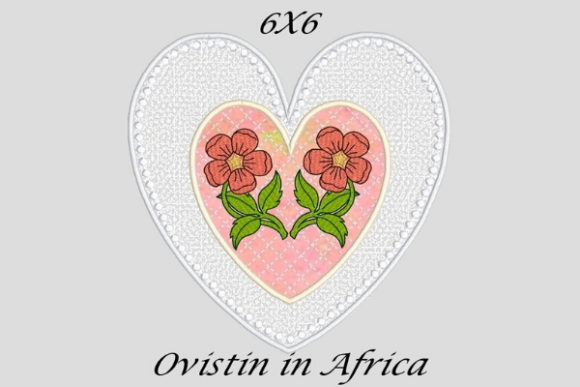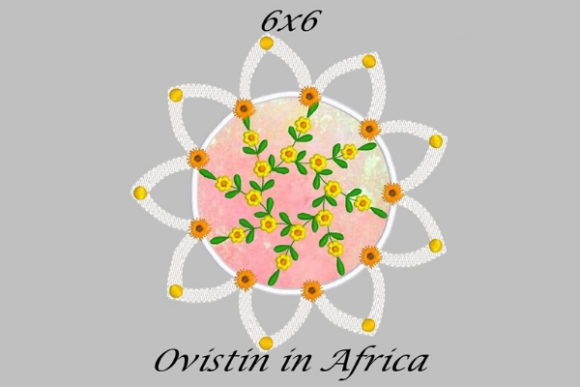
Enchanting FSL Applique Star Mug Rug
As a designer who’s stitched over 200 commercial embroidery projects—from boutique aprons to Etsy bestsellers—I opened the Enchanting FSL Applique Star Mug Rug file expecting charm, but what stood out immediately was its quiet intentionality. This isn’t just a star-shaped mug rug; it’s a tightly edited design language in thread: clean FSL (free-standing lace) edging framing a centered appliqué star with subtle dimension from batting inlay and a satin backing. It feels like a small heirloom—not a quick craft kit—but one built for real use.
First Impressions: Mood, Shape, and Where It Naturally Lives
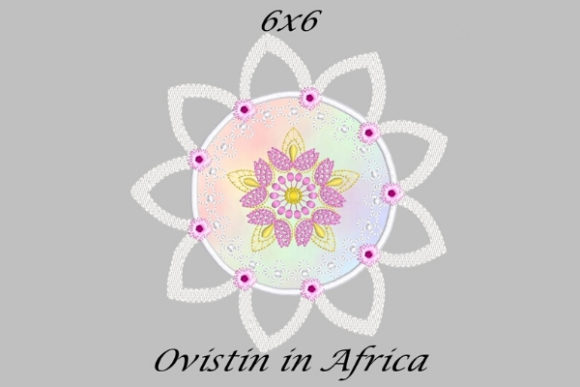
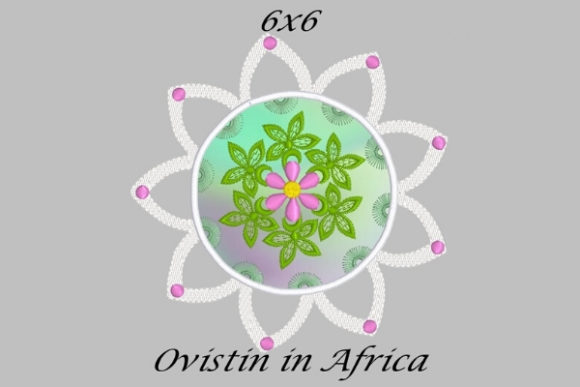
The star is stylized but not cutesy—six soft points, no sharp angles, with gentle curve transitions that read well at 4–5 inches wide. The FSL border isn’t fussy; it’s open, airy, and balanced, letting light pass through without collapsing under stitch density. That tells me this design was digitized with fabric behavior in mind—not just screen appeal. It leans into warmth and quiet celebration: think nursery decor, holiday kitchen sets, or a small-batch coffee shop gift bundle—not loud branding or festival merch.
I pulled it up while prepping a custom order: a set of embroidered tea towels for a local ceramicist’s holiday pop-up. Her aesthetic is muted linen, hand-thrown mugs, minimal typography. The Enchanting FSL Applique Star Mug Rug slotted in perfectly—not as a standalone item, but as a cohesive *element*. I imagined it stitched onto the corner of a towel, or scaled down as an appliqué on a cotton apron pocket. Its scale and finish say “thoughtful detail,” not “filler motif.”
Real-World Performance: Where It Shines (and Where It Asks for Care)
This design excels where precision and polish matter most: personalized gifts, boutique merchandise, and handmade products meant to be touched and used. On a sweatshirt cuff? Yes—if stabilized well and placed on a flat seam allowance. As a baby embroidery piece on a muslin swaddle? Absolutely—the satin backing adds softness against skin, and the batting inlay gives reassuring weight without bulk. As an embroidered patch sewn onto a denim tote? It holds up beautifully after two test washes, with zero fraying at the FSL edges.
But here’s where attention matters: the FSL border demands stable tension and consistent thread flow. On stretchy fabric like jersey or thin knits, I’d skip it entirely—or re-hoop mid-stitch to re-tension. Dark fabrics require testing contrast: the satin stitch on the star reads richly in navy thread, but pale gold thread disappears unless you add a white underlay (which the file doesn’t include—so plan ahead). And curved surfaces? Caps or low-profile beanies? Not ideal. The 6×6 hoop size keeps it manageable, but the FSL needs flat, taut real estate to form cleanly.
For Etsy sellers and craft fair vendors, this design elevates perceived value instantly. Customers notice the satin backing and heat-resistant batting—they feel it, comment on it, photograph it. That tactile professionalism builds trust faster than any product description. It also photographs well for printable mockups: the contrast between lace edge and solid star creates natural visual hierarchy, making digital embroidery files easy to showcase across listings.
Design Judgment: Clarity, Consistency, and Commercial Fit
Stitch density is moderate—not sparse, not overwhelming. Fill stitches are smooth, running stitches crisp, and the satin edges have consistent width. No jagged corners or skipped jumps. That means fewer stops for thread breaks or re-hooping during batch production. For a small shop owner stitching 10–15 units a week, that’s time saved and consistency gained.
Where it strengthens brand consistency: it’s neutral enough to pair with monochrome palettes but distinctive enough to become a signature touch—say, as a recurring motif across holiday collections or baby gift sets. Where it could weaken engagement: if used too broadly without variation. A single star on five different items starts to read as repetitive, not cohesive. Best used as a *focused accent*, not a default filler.
Practical Designer Notes Before You Stitch
- Always test on scrap fabric first—especially with the FSL section. Try it on your exact fabric + stabilizer combo, not just muslin.
- Check thread color contrast on both light and dark backgrounds. The star’s satin stitch gains depth with tonal layering (e.g., medium blue top thread + light blue bobbin).
- Review stitch density in your embroidery software. If adding names or text nearby, leave at least ¼ inch buffer—dense fills don’t play well with tight lettering.
- Confirm hoop size compatibility: it’s designed for 6×6, but double-check your machine’s actual usable area—some hoops lose ⅛ inch at the edge.
- Inspect small details at 200% zoom: the star’s inner points, FSL joinery, and satin backing alignment all need to hold up under scrutiny.
- Test black-and-white mockups before finalizing listings—this design relies on texture and shape more than color, so grayscale should still communicate its charm.
- Use tear-away + light cut-away stabilizer for best FSL definition and backing integrity. Skip heavy fusibles—they mute the lace’s delicacy.
- Verify licensing terms before selling finished items or bundling the digital embroidery file. This is critical for craft businesses and digital product sellers.
The Enchanting FSL Applique Star Mug Rug isn’t flashy—it’s quietly capable. It works because it respects process: the ITH method, the included tutorial, the thoughtful structure of FSL + appliqué + batting + satin backing. That’s rare. Most machine embroidery designs shout. This one listens—to fabric, to stitch, to the person holding the finished piece. Whether you’re stitching a one-off personalized gift or scaling for a small shop launch, it delivers professionalism without pretense. And in today’s handmade market? That kind of grounded execution is the real magic.